
Did you know that the water we wash our face under every day can have an impact on our skin? And did you know that in cities like London, Las Vegas, Los Angeles, Rome, Paris, Phoenix, or Adelaide, the water that comes out of the taps is considered “hard water”?
So… what is it?
Hard water is tap water with high levels of dissolved calcium and magnesium. The water picks up these minerals as it travels through limestone, chalk, and rock underground before it reaches your home. The more mineral-rich the geology in your area, the harder your water. It's completely safe to drink, but those same minerals leave a residue on everything they touch, including your skin.
The interesting facts!
London's water is 12 times harder than New York's.
Barcelona's is even worse.
60% of UK homes and 85% of US homes have hard or very hard water.
And the easiest way to picture what this actually means: the same mineral buildup that coats the inside of your kettle with limescale? That's what's sitting on your skin twice a day. Except your kettle gets descaled. Your skin doesn't.
But how does it impact the skin?
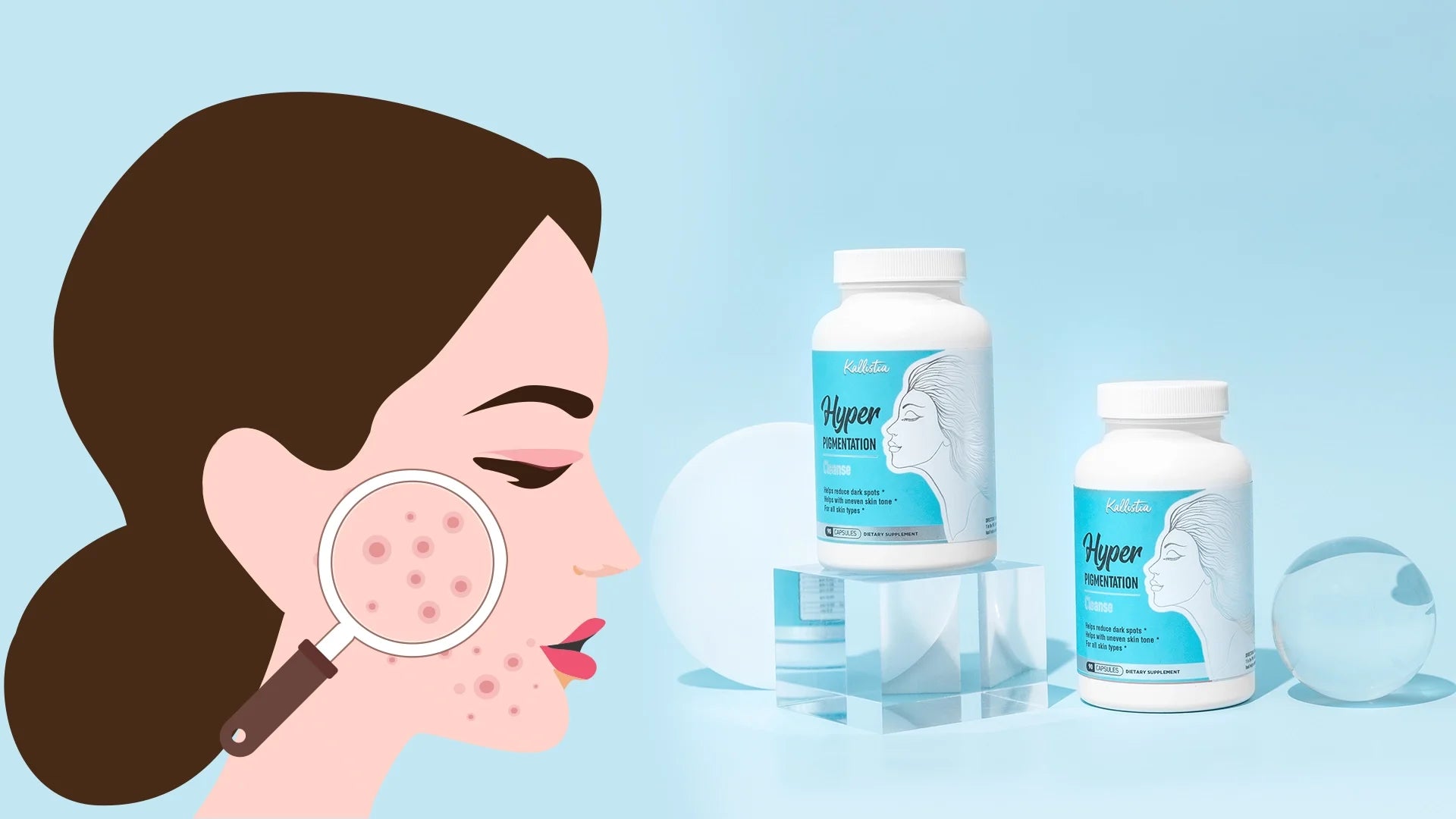
Every time you wash your face in hard water, the calcium and magnesium deposits left behind do three things. They form a film that clogs your pores, trapping sebum and dead skin cells underneath. That's where blackheads and whiteheads start. They also convert your skin's natural oils into a waxy, pore-blocking substance that your cleanser can't fully remove, which is why you're still breaking out even though your routine hasn't changed. And they weaken your skin barrier by shifting its pH from the slightly acidic level it needs to function into an alkaline state that leaves it vulnerable.
A compromised barrier means two things for pigmentation. It lets more UV and visible light damage through, and it creates chronic low-grade inflammation. Both are direct triggers for melanin overproduction. So hard water is feeding every part of the cycle: the breakouts, the clogged pores, and the dark spots and uneven tone that follow.
So how do we combat this?
You can layer on the best serums and SPF in the world, but if your barrier is being stripped and your pores are being blocked twice a day at the sink, your skin is starting from behind every single morning. That's why topicals alone aren't enough for this. The trigger is environmental and constant. Supporting your skin from the inside, strengthening the barrier internally, calming the inflammation that drives melanin overproduction, and giving your skin what it needs to regulate itself, is how you stop fighting a problem that your tap water keeps restarting.
The ingredients to incorporate
- Licorice root and polypodium help regulate excess melanin so your skin stops overreacting to inflammation and light exposure
- White tea, Vitamin C, and pomegranate help fight the oxidative stress that drives dark spots
- Zinc and selenium help calm the low-grade inflammation a damaged barrier keeps running
- White willow bark helps shed the dead skin cells that mineral deposits trap against your pores
- Burdock root and echinacea help target acne-causing bacteria thriving in clogged pores
- Vitamin B3 helps strengthen your skin barrier and regulate oil production
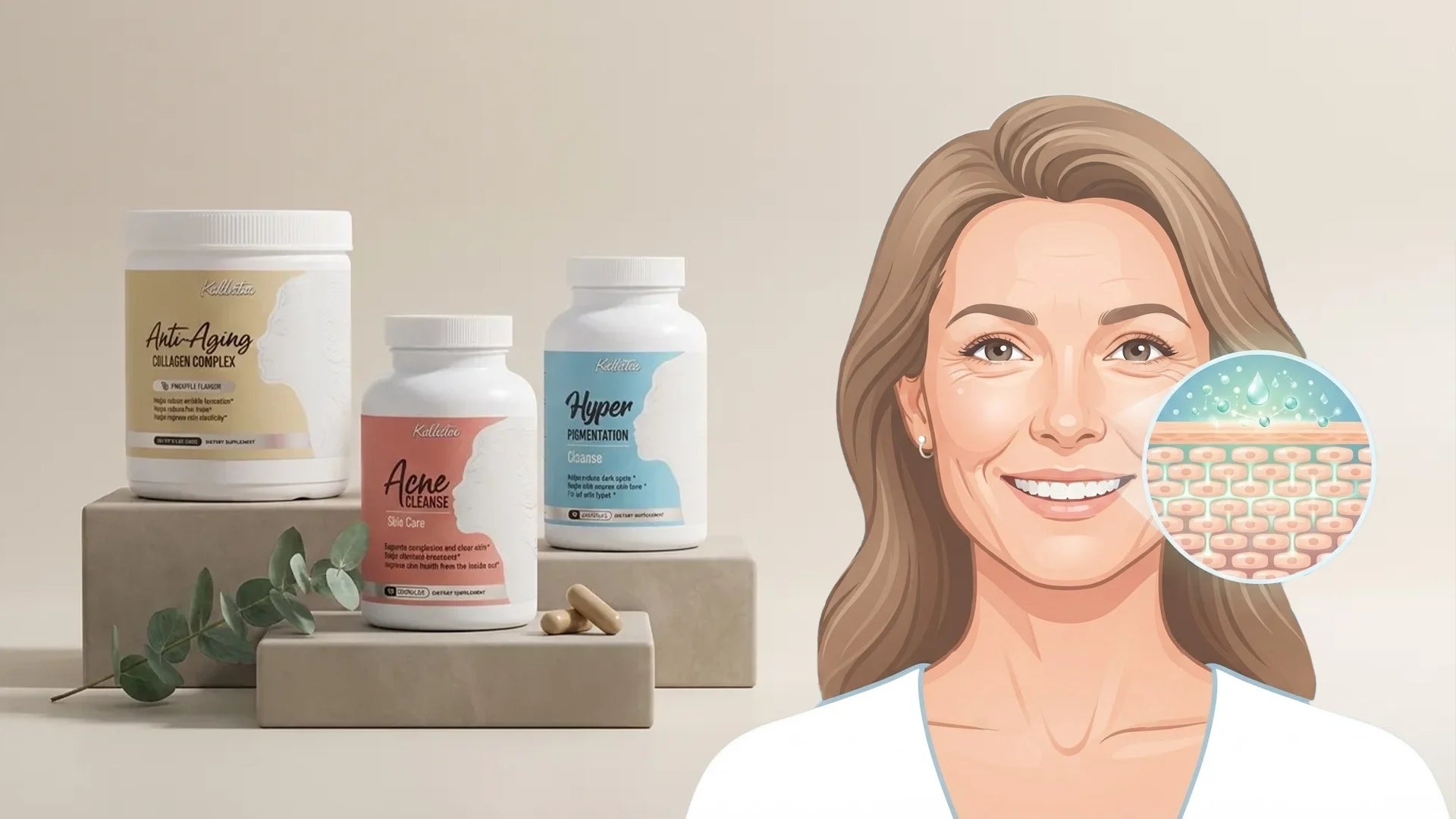
- Hydrolyzed collagen and hyaluronic acid help restore moisture and structure from the inside
- Grapeseed extract and amla fruit help protect against oxidative damage
- 19-strain probiotic blend helps support gut-skin connection and reduce inflammation
If any of this sounds familiar, the Perfect Skin Kit is worth a try. I stand behind it with a 45-day money-back guarantee because I know what it does when you give it time.
Talk soon,
K xx